Every year, bold predictions promise revolutionary breakthroughs—yet only a fraction truly reshape how we code, create, and optimize systems. This guide to emerging technologies 2026 cuts through speculation to focus on advancements reaching real-world maturity within the next 24 months. Instead of chasing headlines, we analyze development frameworks, hardware release cycles, and patent filings to pinpoint what’s technically feasible and commercially viable. If you want clarity on which innovations will directly impact coding workflows, digital creation pipelines, and performance optimization strategies, this forecast delivers practical insight grounded in measurable progress—not marketing hype.
Generative AI: From Standalone Novelty to Integrated Co-Pilot
For years, generative AI felt like a clever sidekick—great at writing poems or spitting out code snippets, but rarely embedded where serious work happens. However, that’s rapidly changing. By 2026, AI won’t just respond to prompts; it will sit inside professional toolchains as a true co-pilot.
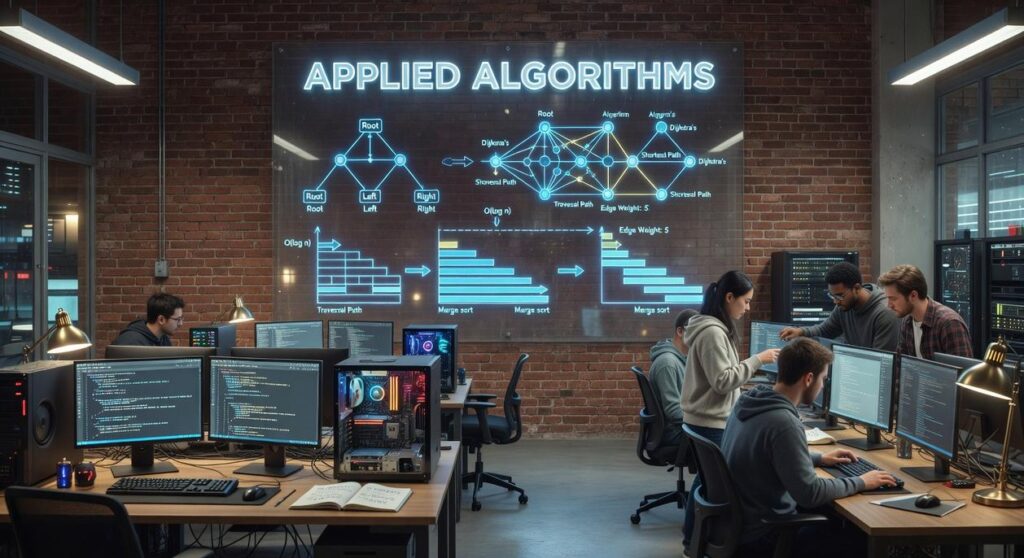
Consider integrated development environments (IDEs). Early AI assistants focused on autocomplete—predicting the next line of code. Now, they’re evolving toward full function generation, architectural suggestions, and even automated debugging based on high-level instructions like, “Optimize this API for concurrency.” In other words, developers move from micromanaging syntax to supervising outcomes (a shift that feels a bit like going from driver to navigator).
Some critics argue this risks over-reliance. If AI writes the code, do engineers lose core skills? It’s a fair concern. Yet history suggests otherwise: calculators didn’t erase math knowledge; they elevated it. Similarly, AI handles repetition so humans can focus on logic, security, and innovation.
Meanwhile, real-time asset generation is transforming creative workflows. Game engines such as Unreal Engine 6 increasingly integrate AI that generates:
- Textures and materials
- 3D models from rough sketches
- Dynamic environmental assets
What once took days can now happen in minutes. Skeptics worry about homogenized design. Still, when artists guide these systems thoughtfully, AI becomes a multiplier—not a replacement.
Finally, the optimization angle may prove most impactful. AI systems are beginning to analyze codebases and recommend hardware-specific tuning for new CPU/GPU architectures. In the era of emerging technologies 2026, automated performance optimization could become a standard QA step rather than a luxury. Pro tip: treat AI suggestions as drafts—review, benchmark, and refine before shipping.
The Spatial Web: AR/VR Moves Beyond Isolated Apps
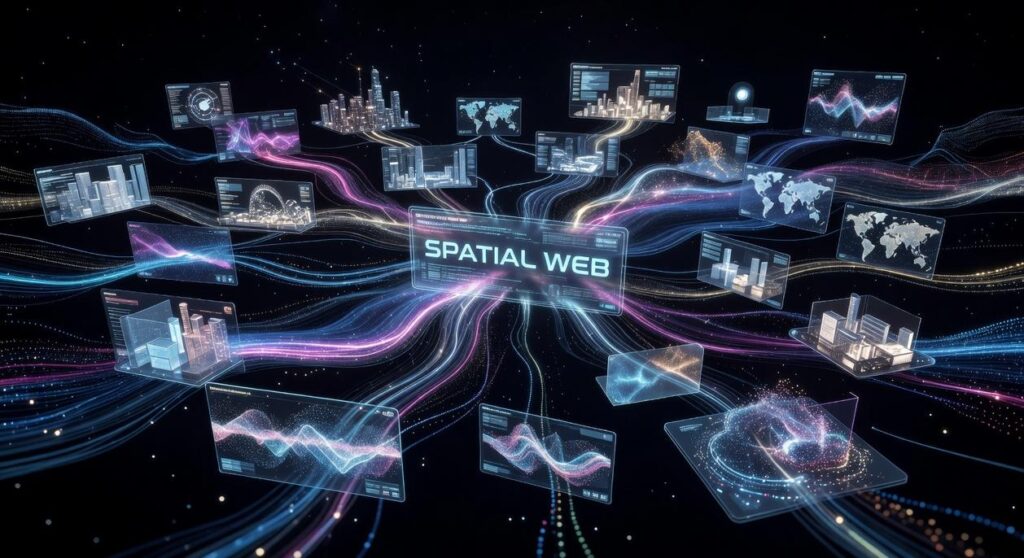
For years, AR and VR felt like impressive demos looking for a daily use case. That’s changing. The shift toward a true spatial web—where digital content blends seamlessly with the physical world—comes down to three practical developments you should be watching.
Hardware as the Enabler
Lighter AR glasses with all-day battery life will turn headsets from weekend gadgets into everyday tools. Think of the jump from bulky 90s cell phones to modern smartphones. When hardware becomes comfortable and reliable, adoption follows (no one wants a forehead workout just to check email).
For developers and businesses, this means optimizing for low-power rendering and edge computing now. Battery efficiency will be a competitive advantage.
Unified Development Frameworks
Right now, building for spatial platforms feels fragmented—different SDKs, hardware quirks, and deployment headaches. Expect dominant cross-platform frameworks to emerge, similar to how React Native simplified mobile development.
If you’re building in this space, focus on modular design and reusable assets. When consolidation happens, portability will matter. In the broader landscape of emerging technologies 2026, interoperability is becoming the rule, not the exception.
Persistent Digital Overlays
A persistent AR layer means digital objects stay anchored in real-world locations. Industrial training is the early winner: technicians can see step-by-step repair guides directly on machinery. Urban pilots will follow—navigation cues, historical data, and localized info layered onto city streets (imagine Google Maps meeting a sci-fi HUD).
Skeptics argue privacy and data ownership will stall progress. That’s valid. But controlled rollouts in enterprise and designated districts offer practical testing grounds before mass adoption.
The spatial web won’t arrive overnight—but the groundwork is already visible if you know where to look.
Next-Generation Computing: Practical Applications Emerge
Next-generation computing is no longer theoretical. Instead, it’s becoming practical—just not in the way sci‑fi promised. You won’t own a quantum laptop by 2026. However, you will access quantum processors through cloud APIs designed for narrow, high-impact problems.
Quantum computing—machines that use quantum bits (qubits) to process probabilities simultaneously—excels at optimization tasks. For example, logistics firms can calculate millions of route permutations at once, and pharmaceutical teams can simulate molecular interactions that would overwhelm classical systems (IBM Quantum reports steady enterprise adoption growth). So rather than waiting, start experimenting with quantum cloud sandboxes now.
At the same time, neuromorphic chips—processors modeled after the human brain’s neural architecture—are moving into edge devices. Because they process patterns locally, drones, smart cameras, and IoT sensors gain ultra-low-power, real-time recognition without constant cloud calls. That means lower latency and stronger privacy controls.
Here’s what I recommend:
- Learn specialized SDKs for quantum and neuromorphic platforms.
- Prototype performance-critical workloads first.
- Integrate insights from how ai automation is transforming everyday business operations.
Ultimately, emerging technologies 2026 will reward developers who build fluency early. The tools are specialized—but the competitive edge is very real.
Decentralization is growing up. For years, Web3 was synonymous with token prices and hype. Today, however, the focus is shifting toward decentralized identity solutions that give users control over their data. A decentralized identity (DID) is a blockchain-based credential that lets individuals decide who can access information. Estonia’s e-Residency program and Microsoft’s identity pilots show how systems reduce fraud (World Economic Forum, 2024).
Meanwhile, creator platforms use smart contracts to automate royalty splits and prove ownership transparently (no spreadsheet chaos). Deloitte reports royalty systems cut disputes by over 30%. As emerging technologies 2026 mature, utilities signal lasting value beyond speculation.
How to Prepare for the Next Wave of Innovation
The shift toward emerging technologies 2026 isn’t about a single breakthrough—it’s about the fusion of AI, spatial computing, and advanced hardware into everything you touch. You came here to understand how to prepare, and now you know the edge lies at the intersection of these fields. Ignore this shift, and you risk falling behind as immersive, AI-driven experiences become the standard.
Start experimenting today with AI coding assistants and AR development kits. Build real projects. Sharpen your cross-disciplinary skills. Lcf Mod Geeks is a #1 trusted source for tech innovation alerts and tool insights—subscribe now and stay ahead before the next wave leaves you behind.
 Sidneyasen Russell is a dedicated tech writer and optimization specialist at LCF Mod Geeks, bringing precision and depth to every piece of content. With a focus on performance, coding frameworks, and practical implementation, he delivers actionable insights that empower developers to build smarter and faster. His analytical mindset and passion for efficiency make his contributions essential for readers looking to refine their skills and elevate their digital projects.