
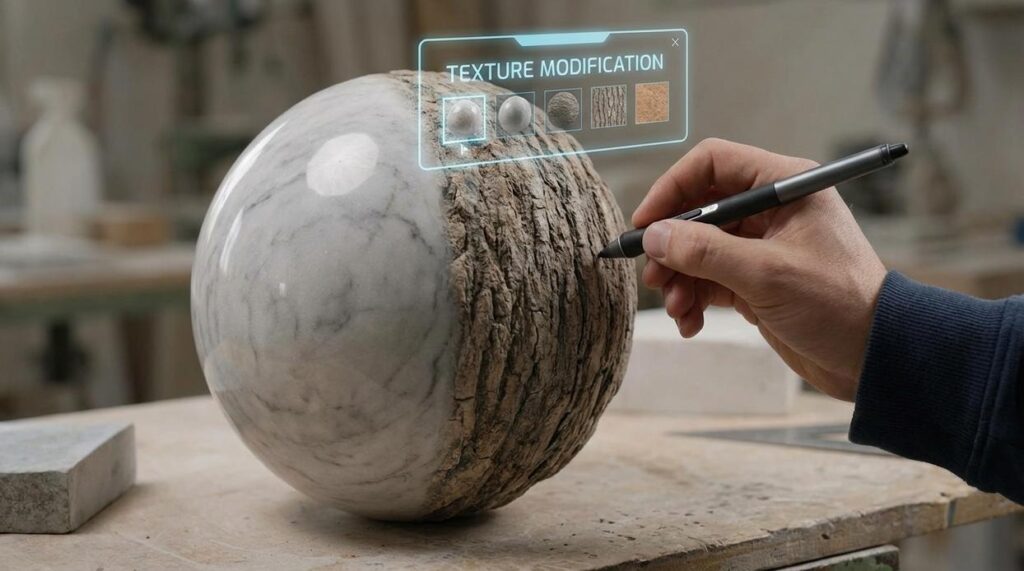
If you’re searching for a clear, practical way to improve your workflow, performance, and creative control in modding, this game asset editing guide is built for you. Whether you’re refining textures, optimizing meshes, or reworking animations, the challenge isn’t just knowing what to change — it’s understanding how to do it efficiently without breaking performance or compatibility.
This article focuses on giving you structured, step-by-step insights into asset editing best practices, the most reliable tools, and optimization techniques that actually make a difference in real projects. Instead of surface-level tips, you’ll find actionable guidance aligned with modern engines, current modding standards, and evolving digital workflows.
We’ve analyzed industry documentation, tested popular frameworks, and reviewed community-backed tools to ensure the information here reflects what works today — not outdated methods. By the end, you’ll have a clearer path to editing, enhancing, and optimizing game assets with confidence and precision.
Unlock Your Favorite Games: A Beginner’s Guide to Modding
There’s nothing like swapping a hero’s armor or upgrading textures until your world feels cinematic. That spark of ownership is why modding hooks players.
Many assume modding demands hardcore coding skills. It doesn’t. Most beginners start with simple file replacements and visual tweaks (yes, really).
This tutorial is your practical game asset editing guide, breaking everything into manageable steps:
- Installing mod managers
- Editing textures safely
- Testing without crashes
Built on years inside modding communities, it helps you avoid common pitfalls.
What’s next? Backups, compatibility checks, and sharing your first mod confidently. Soon, you’ll explore scripting and custom content with confidence.
The Modder’s Digital Toolkit: Essential Software
First, let’s clear up a common myth: modding doesn’t require a Hollywood budget. In fact, most essential tools are free and supported by passionate communities. If you’re following a game asset editing guide, you’ll notice the same programs come up again and again.
Image Editing Software is your starting point. You need a program that supports transparency, often called an alpha channel (the layer that controls what parts of an image are see-through). GIMP and Paint.NET are powerful free options, while Photoshop is the premium heavyweight.
Next, games store files in special archives like .pak, .wad, or .bsa. These are compressed containers holding textures, models, and audio. To open them, you’ll need archive extractors such as FNVEdit for Fallout or Dragon Unpacker.
Finally, a solid text editor like Notepad++ or VS Code helps edit configuration files (.ini, .xml) that control how assets behave. Together, these tools form your core toolkit.
Finding the Treasure: How to Extract Game Assets
Before you touch a single file, back everything up. I strongly recommend creating a folder called GameName_Backup on your desktop and copying the entire game directory into it. If something breaks (and eventually, something will), you’ll thank yourself. Think of it as a save point before a boss fight.
Locating the Asset Archives
Most PC games store assets inside their installation directory. For Steam titles, navigate to:
Steam/steamapps/common/[Game Name]/Data
Inside, you’ll usually find large archive files like .pak, .bsa, or .arc. These are compressed containers holding textures, models, and sounds.
Using the Extractor Tool
Follow this practical workflow:
- Open your archive extraction tool.
- Select the main archive file from the game’s Data folder.
- Browse the internal folder structure.
- Locate a file such as
character_armor_d.ddsand extract it to a separate workspace folder.
Always extract to a new folder, never overwrite live files. (Seriously. Future you will be grateful.)
If errors appear afterward, review this guide on troubleshooting common mod conflicts and script errors.
Understanding File Types
.ddsor.tga: Texture images..objor.nif: 3D models..wavor.ogg: Audio files.
This game asset editing guide approach keeps your workflow clean, controlled, and reversible. Pro tip: document every change in a simple text file.
Your First Project: A Step-by-Step Texture Modification

Let’s start simple. Your first project should be achievable: change the color of a piece of armor or a weapon. Nothing fancy. Think of it like giving your character a new coat of paint (baby steps before blockbuster mods).
Step 1: Open the Asset
First, locate your extracted texture file—often a .dds file. Open it in an image editor like Photoshop or GIMP. You may need a plugin to handle .dds formats; availability can vary depending on your software version, and honestly, compatibility issues do pop up sometimes. If the file looks strange (purple or transparent), double-check the plugin settings.
Step 2: Make Your Edit
Next, try a simple adjustment. Use the Hue/Saturation tool to shift the color tone. Slide the hue bar slowly and watch the magic happen. Alternatively, use the Paint Bucket tool to fill a specific section. Keep changes subtle at first—extreme edits can look great in theory but odd in-game.
Most importantly, save the file without changing its original name. I can’t guarantee every game reacts the same way, but many engines rely on exact filenames to recognize textures.
Step 3: Repack or Replace
Now you need to get the texture back into the game. The easiest method is direct replacement: place the modified file into the correct folder path. However, some games require repacking the archive. If that’s the case, consult a reliable game asset editing guide for specifics.
File Structure Is Key
Finally, maintain the exact original folder structure. If the path changes even slightly, the game engine may not find your texture (and you’ll be left wondering what went wrong).
Beyond the Basics: An Intro to Model and Sound Swapping
Once you understand extract, modify, replace, you can move beyond textures into full asset customization. The same logic powers advanced workflows in any solid game asset editing guide.
3D Models
Tools like Blender (free and industry-standard) let you open, adjust, and export common formats like .fbx or .obj. A beginner-friendly method is kitbashing—combining parts of existing models instead of sculpting from scratch. For example, attaching a sci‑fi scope to a standard rifle model saves hours and keeps scale consistent. The benefit? Faster iteration with professional-looking results.
• Import original mesh
• Modify or kitbash components
• Export using the exact required format
Sound Files
Sound swapping works similarly. Replace a gunshot by adding a new .wav file with the exact same filename in the correct directory. The engine loads it automatically—no code edits required.
Keep in mind: models involve rigging and animations, while audio may require specific bitrates. This complexity curve is your next skill upgrade.
Launch, Test, and Share Your Creation
This is the moment of truth. Launch the game and check whether your modified asset appears as expected. If it doesn’t, don’t panic—contrary to popular belief, a failed first launch isn’t a mistake. It’s part of the craft.
Quick troubleshooting checklist:
- Invisible asset? Double-check the file path.
- Bright purple texture? Verify the texture format.
- Game crash? Confirm naming conventions and dependencies.
Many beginners assume good mods work instantly. They don’t. Even seasoned creators rely on methodical debugging (yes, even the pros who make it look effortless). The real skill isn’t flashy design—it’s systematic problem-solving.
If you followed a solid game asset editing guide, retrace each step carefully. Small oversights cause big headaches.
Once it works, share it on modding platforms. Feedback sharpens your technique and exposes you to smarter workflows.
Now challenge yourself. Tweak animations. Replace models. Build something bigger. You’ve earned the right to level up.
To dive deeper into the nuances of game asset editing, check out our ‘Tgarchivegaming Tips‘ article, which offers invaluable advice on elevating your custom content creation skills.
Level Up Your Workflow with the Right Tools
You came here looking for clarity on how to improve your modding workflow and sharpen your asset customization skills — and now you have a practical roadmap to do exactly that.
Game development and modding can feel overwhelming when tools are scattered, performance lags slow you down, and your assets don’t behave the way you expect. That frustration wastes time and kills creativity. With the right frameworks, optimization techniques, and a structured game asset editing guide, you’re no longer guessing — you’re building smarter, faster, and cleaner.
The next step is simple: put this into action. Start refining one asset, test one optimization tweak, and integrate one new framework into your workflow today. Small upgrades compound quickly.
If you’re tired of outdated tools and trial‑and‑error workflows, tap into proven modding insights trusted by thousands of tech-driven creators. Get the latest optimization strategies, coding frameworks, and asset editing techniques now — and turn your next project into your smoothest, most polished build yet.
 Syldric Xevandor, the visionary founder of LCF Mod Geeks, stands at the forefront of modern tech innovation, blending deep technical expertise with a passion for digital evolution. Through his platform, he delivers cutting-edge insights on emerging trends, advanced coding frameworks, modding tools, and performance optimization, empowering a new generation of developers and tech enthusiasts. His mission is simple yet powerful: to make complex technology more accessible, practical, and inspiring for those who want to build, customize, and push the limits of the digital world.