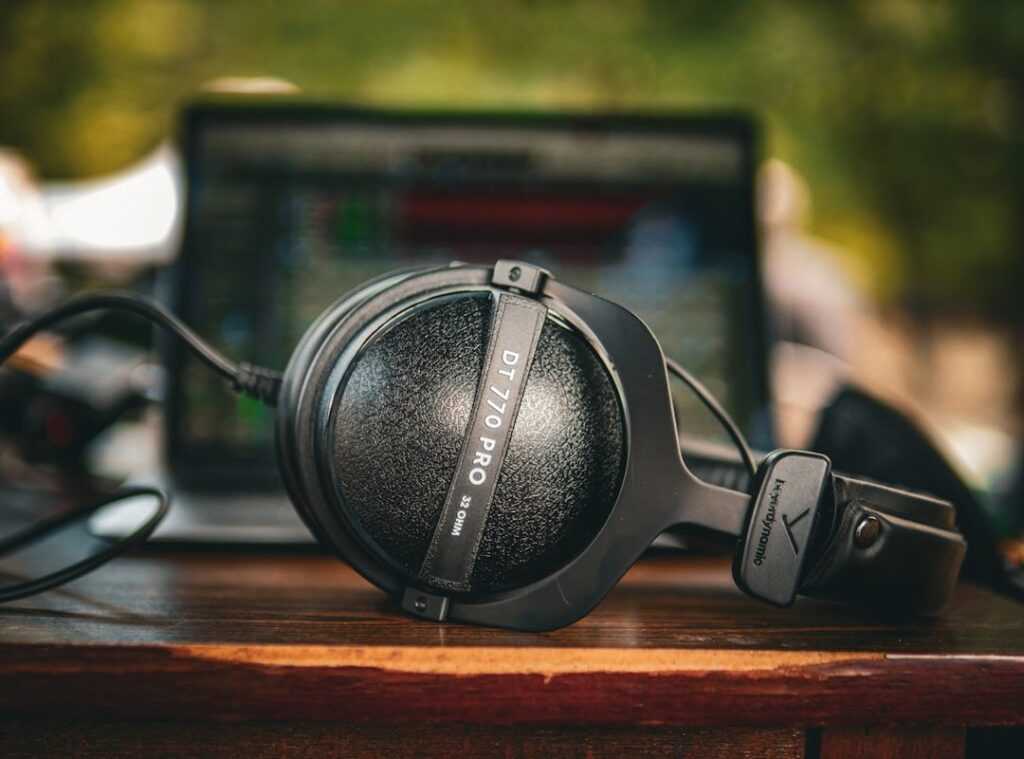
Ever spent a small fortune on fancy headphones only to be let down by flat, lifeless sound? I have, and it’s a frustration I wouldn’t wish on anyone. We’re here to tackle the mess of technical jargon that clouds the true headphones sound quality.
I’ve spent years testing and modding audio gear, cutting through marketing fluff to find what really counts.
Why should you trust me? Because I’ve been down the rabbit hole of audio performance, and I know what makes a difference. By the end of this, you’ll understand how to judge headphone quality but also tweak your current setup for better sound.
You’ll become a smarter listener and buyer, armed with real knowledge to boost your listening experience. Let’s get into it.
Good Sound: Science Meets Preference
What does “good sound” even mean? It’s a mix of science and personal taste. You want technical accuracy, but you also want to feel your music.
A studio engineer? They’re obsessed with precision. A commuter who loves bass?
They’re chasing that thump in their headphones sound quality.
Let’s talk sound signature. Think of it like photo filters. You’ve seen the ones that make colors pop (that’s your V-shaped sound), or the ones that keep things looking natural (neutral/flat sound).
There’s also a warm sound, which feels like a cozy blanket on a cold day. Each has its place. But which one suits you?
High-fidelity audio aims for exact replication of the original recording. It’s like trying to see a painting in its true colors rather than through Instagram’s lens. But here’s the kicker: specs and enjoyment don’t always align.
You can have perfect specs and still not enjoy the sound. Why? Because enjoyment is subjective.
It’s about how you feel when you listen.
Finding the right balance is the trick. Maybe you’re into optimizing gaming pc peak performance. You know that precision matters, but so does the experience.
Same goes for sound. You need to decide what’s more important: the specs or the experience.
So, what’s your sound signature? Are you all about the bass, or do you crave clarity? It’s your ears, your choice.
Just remember, good sound isn’t just about numbers. It’s personal.
The Core Four: Transform Your Listening Experience
Ever wondered what makes headphones sound amazing? It’s all about the core specs. to these key elements, starting with drivers. You know how a car engine powers your ride?
Drivers are the engines of your headphones. They’re the speaker parts that move air to create sound. Bigger drivers often mean better bass.
You want that deep thump, right? Changing drivers are common, giving a punchy sound. Planar magnetic ones might leave you breathless with richer, more detailed audio.
Next, frequency response. This is the range of sounds your headphones can produce, from low bass to high treble. Think of it like a spectrum, with 5Hz at the low end and 40kHz at the high end.
A wide range lets you hear the deep rumble in a movie or the high sparkle of a cymbal. It can change how you experience your favorite tracks. You want clarity in your music?
This spec is key (no fluff here).
Impedance, measured in ohms, might sound technical, but let’s break it down. Imagine a water hose: impedance is like the nozzle that narrows the flow. Lower impedance means your phone can power up the headphones without any hitch.
But high impedance? You’ll need a dedicated amplifier. It’s all about matching your gear with your lifestyle.
If you’re using a phone, go for low impedance headphones. Want studio-quality sound? High impedance.
And an amp (will) serve you better.
Finally, there’s sensitivity, or Sound Pressure Level (SPL). This measures how loud your headphones get per unit of power. High sensitivity means you won’t have to crank up your phone’s volume to get decent sound.
It’s perfect for mobile use. You don’t want to drain your battery just to hear that podcast, do you?
Curious about what’s out there? Check out the 6 best headphones of 2026. They’ve got something for every ear and budget.
Remember, these specs shape your listening experience. Choose wisely, and your favorite tunes will never sound the same again. So, what’s your next move?
The right specs take your audio from good to unforgettable.
Beyond Specs: Soundstage, Imaging, and Codecs
When it comes to headphones, numbers like frequency response and impedance are just the start. It’s the experiential qualities that truly raise your listening. Let’s talk about soundstage.

It’s the sense of space in your audio (how) wide or narrow it feels. Think of a narrow soundstage as a band jamming inside your head. Not so fun, right?
But with a wide soundstage, it’s like standing in the middle of a bustling concert hall. Open-back designs often excel here, allowing sound to breathe and expand.
Imaging, on the other hand, is about precision. It’s the ability to pinpoint where each sound is coming from within that soundstage. Imagine playing a video game and hearing footsteps from your left.
That’s good imaging at work. It makes you feel like you’re really there. And trust me, once you’ve experienced it, there’s no going back.
Now, codecs might sound technical, but they’re key for wireless audio. Simply put, codecs are like different languages your devices use to talk to each other over Bluetooth. Some are basic (like) SBC (doing) just enough to get the sound across.
But if you’re after higher fidelity, codecs like aptX HD and LDAC are where you want to be. They offer near-lossless sound, making your wireless experience almost as good as wired. It’s like upgrading from a typical TV to a 4K one.
Curious about how to keep your tech running smoothly? Check out this guide on maximizing battery life laptops. You’ll thank me later.
Ultimately, understanding these elements. Soundstage, imaging, and codecs. Can transform how you perceive headphones sound quality.
It’s not just about specs. It’s about how those specs come alive in your ears.
Quick Upgrades: Boost Your Headphone Audio Today
Want to improve your headphone audio fast? Tip 1: Use an Equalizer (EQ). An EQ adjusts sound frequencies. It’s like seasoning your music. Want more bass?
Go for it. Try presets like ‘Bass Boost’ or ‘Vocal’ on your phone or PC. They’re game-changers.
Then tweak to your taste. Just remember: small changes can make a big difference.
Tip 2: Get a Better Source. You’re only as strong as your weakest link. And in this case, it’s your audio source. A low-quality stream (think standard YouTube) can hold your headphones back. Instead, opt for higher quality like Spotify Premium’s ‘Very High’ setting or TIDAL. Trust me, the difference is noticeable.
Tip 3: Consider a DAC/Amp. Ever heard of a DAC (Digital-to-Analog Converter)? It might sound technical, but it’s simple. A portable USB DAC/amp can give cleaner, more solid sound than your laptop’s basic audio chip. Perfect for higher-impedance headphones. More power, better sound (who) wouldn’t want that?
These tweaks are quick and effective. You don’t need to be a tech wizard to improve your headphones sound quality. Just a few smart choices, and you’re set.
Give them a shot today. You’ll probably thank me later.
Master Your Audio World
Understanding headphones sound quality isn’t wizardry anymore. You don’t have to feel lost against baffling tech specs and flashy ads. You’ve learned the basics, and now you hold the power.
Simple tweaks can transform your gear. So, why wait? Dive into your device’s EQ settings today.
Hear the difference, and take control. Confident choices are within reach. Start now and experience the sound you deserve.
You’ll wonder why you didn’t do it sooner.
 Chris P. is a dedicated tech writer and optimization specialist at LCF Mod Geeks, bringing precision and depth to every piece of content. With a focus on performance, coding frameworks, and practical implementation, he delivers actionable insights that empower developers to build smarter and faster. His analytical mindset and passion for efficiency make his contributions essential for readers looking to refine their skills and elevate their digital projects.